
Custom Key Account Tracking: PR Firm Productivity Techniques
In today's competitive PR landscape, traditional account management approaches are failing high-value clients. Generic reporting and reactive monitoring leave strategic opportunities undiscovered and client relationships vulnerable. This productivity crisis costs PR firms both revenue and retention as teams struggle to demonstrate measurable impact.
Custom key account tracking transforms this dynamic by creating proactive, data-driven client management systems. Start by identifying 3-5 critical metrics that align with each client's business objectives—whether it's share of voice in specific publications, competitor positioning shifts, or executive visibility trends. Implement weekly tracking dashboards that highlight emerging opportunities and potential threats before they become crises.
Practical steps for implementation:
- 🔍 Map client business goals to specific media/competitive metrics
- ⚙️ Establish automated monitoring for key competitors and industry topics
- 📈 Create weekly opportunity alerts for proactive outreach
- 📊 Develop quarterly strategic reviews connecting tracking data to business outcomes
This approach directly links PR efforts to client retention and revenue growth. When you can demonstrate how your work drives their business forward—not just media placements—you transform from a vendor to a strategic partner. The result: higher client satisfaction, increased account longevity, and measurable productivity gains for your team.
Building Your Custom Key Account Tracking Framework
Building an effective custom key account tracking framework starts with identifying the right metrics for PR success. Focus on three core areas: media mentions (volume and quality), sentiment analysis (positive/neutral/negative), and share of voice (your client vs. competitors). For each client, customize these metrics based on their industry and goals—a tech startup might prioritize tech publication coverage, while a consumer brand needs mainstream media mentions.
Create tailored dashboards for different client types:
- Enterprise clients: Comprehensive dashboards with executive summaries, competitive benchmarking, and ROI metrics
- Startup clients: Lean dashboards focusing on growth metrics, funding announcement impact, and category leadership
- Crisis management clients: Real-time monitoring dashboards with sentiment alerts and response tracking
Integrate tracking into existing workflows by:
• Setting up automated daily/weekly reports aligned with client check-ins
• Using tracking data to inform media outreach strategies
• Creating standardized report templates that save 3-5 hours per client monthly
• Implementing quarterly review cycles to adjust metrics based on campaign performance
Practical tip: Start with 3-5 key metrics per client, then expand as you demonstrate value. Use tracking data to proactively suggest strategy adjustments before clients ask.
Essential Tools and Technologies for PR Account Productivity
To maximize PR account productivity, implement these essential tools and technologies. The right stack automates monitoring, streamlines workflows, and provides actionable insights for client strategy, saving time and enhancing decision-making.
Media Monitoring & Analysis Platforms:
- Use tools like Meltwater, Cision, or Brandwatch for real-time tracking of client mentions across news, social media, and blogs
- Set up automated alerts for key journalists, competitors, and industry trends
- Create custom dashboards showing share of voice, sentiment analysis, and coverage impact metrics
- Tip: Integrate monitoring data directly into client reports to demonstrate value
Project Management Software:
- Customize platforms like Asana, Monday.com, or Basecamp for PR workflows
- Create templates for media outreach campaigns, press release distribution, and event planning
- Use Kanban boards to track pitch status, media placements, and follow-up tasks
- Checklist: Include client approvals, media lists, deadlines, and performance metrics in your workflow templates
AI-Powered Reporting Tools:
- Implement AI tools like ChatGPT for Business or specialized PR analytics platforms
- Automate monthly/quarterly report generation with customizable templates
- Use natural language processing to extract key insights from media coverage
- Practical step: Start with automating 20% of your reporting tasks, then scale as you refine the process
Pro tip: Create a unified dashboard that combines data from all three tool categories for comprehensive account visibility.
Leveraging Competitive Insights for Strategic Advantage
In custom key account tracking, monitoring competitor movements is crucial for anticipating market shifts and advising clients proactively. Insights into product launches, feature updates, and regulatory changes can reveal opportunities or threats that impact client strategies, providing a competitive edge.
For example, tracking a competitor's product launch can help clients adjust their messaging or innovation roadmap. Consider BASF's new water-based dispersing agent for cement systems—this kind of insight allows construction industry clients to assess competitive offerings and refine their own value propositions. 
Similarly, feature updates from competitors indicate technological advancements that might affect client positioning. Transifex Native's 14% faster localization workflows and expanded framework support show how service improvements can shift market expectations, prompting clients to enhance their own offerings. 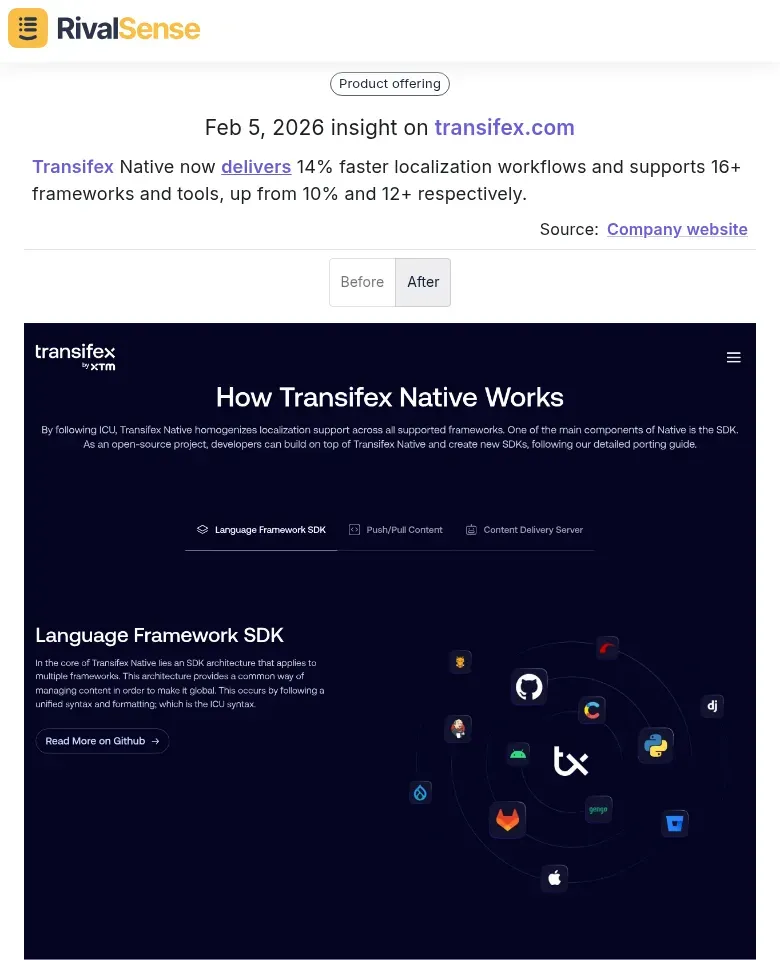
Regulatory and agreement changes are equally important, as they impact compliance and service levels. Smartling's updated Master Service Agreement and new Service Level Agreement highlight how legal updates can influence client contracts and operational standards, ensuring clients stay ahead of compliance issues. 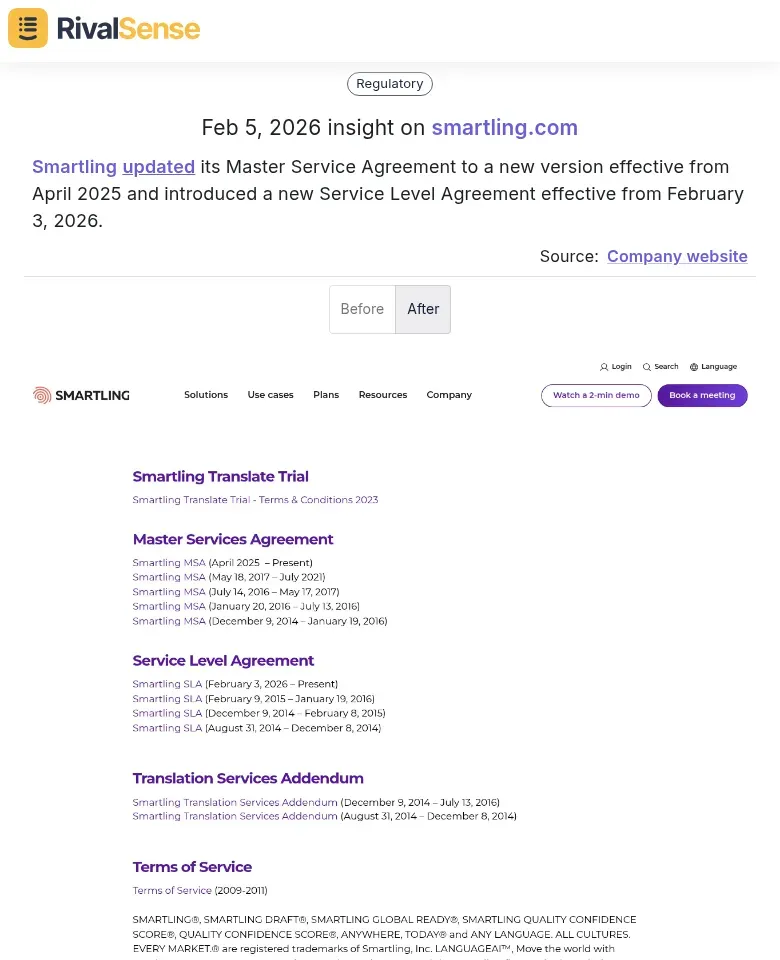
By integrating such insights into your tracking system, you provide clients with actionable intelligence that drives strategic decisions and strengthens your role as a trusted advisor.
Implementation Strategies for Maximum Productivity Gains
Implementing custom key account tracking requires a strategic approach to maximize productivity gains without overwhelming your PR teams. Start with a phased rollout: begin with a pilot group of 2-3 account teams, focusing on your most complex clients. This allows you to identify workflow adjustments before expanding.
Use a 30-60-90 day timeline: first month for setup and basic tracking, second month for advanced features, third month for full integration. For training, implement a "train-the-trainer" model where team leads become system champions. Create role-specific training modules: account managers need strategic dashboard skills, while coordinators require daily tracking proficiency.
Establish clear customization protocols based on client service tiers. Use the table below to align tracking intensity with client needs:
| Client Tier | Tracking Features | Reporting Frequency |
|---|---|---|
| Platinum | Full suite with real-time alerts, sentiment analysis, competitive benchmarking | Daily/Weekly |
| Gold | Core tracking with automated reports | Weekly |
| Silver | Basic monitoring with summaries | Monthly |
Create a customization checklist: 1) Define client objectives, 2) Select relevant metrics, 3) Set alert thresholds, 4) Configure reporting frequency, 5) Assign team permissions. This structured approach ensures consistent service delivery while allowing flexibility for unique client needs.
Measuring Success and Optimizing Your Tracking System
To ensure your custom key account tracking system delivers maximum value, establish clear KPIs that measure both efficiency and impact. Track metrics like time saved on manual research (aim for 40-50% reduction), accuracy of competitive intelligence (target 95%+), and client satisfaction scores related to insights delivered.
Monitor how quickly your team can identify competitor moves and respond with strategic recommendations. Implement quarterly review cycles where your team evaluates system performance against these KPIs. Use this checklist:
- [ ] Review data accuracy and completeness
- [ ] Assess alert relevance and noise levels
- [ ] Gather user feedback from account teams
- [ ] Identify gaps in competitor coverage
- [ ] Document system pain points
As your PR firm grows, scale your tracking system strategically. Start with tiered monitoring: intensive tracking for top 20% of clients, standard monitoring for mid-tier, and basic tracking for smaller accounts. Automate data collection where possible and establish clear escalation protocols for critical competitor moves.
Conclusion: Transforming PR Firm Operations Through Custom Tracking
Custom key account tracking transforms PR firms from reactive service providers to proactive strategic partners. By implementing systematic tracking of client-specific metrics—media mentions, sentiment analysis, competitor coverage, and campaign ROI—you create a data-driven foundation for long-term success.
Long-term benefits: Increased client satisfaction comes from transparent reporting and demonstrable value. Retention improves as you can anticipate client needs and showcase consistent results, turning clients into advocates.
Competitive advantage: In a crowded market, custom tracking differentiates your firm. You can offer unique insights competitors lack, positioning yourself as a premium, intelligence-driven partner rather than just another PR vendor.
Practical steps:
- Identify 3-5 key metrics per client aligned with their business goals
- Create custom dashboards in your tracking tool
- Schedule monthly review sessions to discuss insights
- Adjust strategies based on data patterns
- Document wins and learnings for case studies
Start with one key client to refine your approach, then scale across your portfolio. To streamline competitor tracking and gain actionable insights like the examples above, try out RivalSense for free at https://rivalsense.co/—get your first competitor report today and enhance your PR firm's productivity!
📚 Read more
👉 How Langdock's Company Knowledge Launch Forced Cross-Platform AI Innovation
👉 Facebook Competitor Insights for Key Account Contract Tracking: A Strategic Guide
👉 2026 Web Intelligence Trends: Key Account KPIs for Competitive Edge
👉 Avoid These 5 Financial & M&A Competitor Insight Mistakes That Cost Millions 🚨
👉 How Agorapulse's Comparison Page Update Reveals Key Competitor Moves