
Aviation Fuel Construction CRM Mistakes: Avoiding Key Account Tracking Pitfalls
In the high-stakes world of aviation fuel construction, CRM systems aren't just tools—they're mission-critical infrastructure. These projects involve complex regulatory compliance (FAA, EPA, OSHA), multi-million-dollar budgets, and safety requirements that demand specialized tracking approaches beyond generic CRM solutions. Key account management becomes particularly crucial when dealing with airport authorities, fuel suppliers, engineering firms, and regulatory bodies whose decisions can make or break project timelines.
CRM failures in this sector have direct consequences: missed compliance deadlines trigger fines and work stoppages, poor communication with key stakeholders leads to rework, and inadequate tracking of supplier relationships impacts material availability. Each day of delay can cost tens of thousands in liquidated damages and lost revenue opportunities.
Practical Tip: Create a compliance checklist within your CRM for each key account, tracking regulatory documentation, inspection schedules, and approval milestones. This prevents costly delays from overlooked requirements.
Actionable Step: Implement a tiered account classification system (Strategic, Operational, Regulatory) with customized tracking protocols for each category. Strategic accounts like airport authorities need relationship history tracking, while regulatory accounts require automated compliance deadline alerts.
The specialized nature of aviation fuel construction—from underground storage tank installations to fuel hydrant systems—demands CRM configurations that capture technical specifications, safety certifications, and project phase dependencies that generic systems overlook.
Mistake 1: Inadequate Customization for Aviation-Specific Requirements
Aviation fuel construction projects have unique regulatory and operational needs that standard CRMs often ignore. Generic CRM systems fail aviation fuel construction companies by lacking specialized tracking for critical compliance requirements. Aviation-specific documentation like FAA Form 8130-3 certificates, ASTM D1655/D4054 fuel standards compliance, and airport authority approvals require dedicated fields with expiration tracking.
Practical Checklist:
- Create custom fields for FAA Advisory Circular 150/5230-4C compliance status.
- Implement automated alerts for certification renewals.
- Add storage tank inspection tracking with OSHA/NFPA 407 requirements.
- Include airport-specific approval workflows for each project location.
Fuel handling safety regulations under 14 CFR 139.321 mandate specialized tracking for personnel training certifications, fire safety compliance, and hazardous material storage approvals. Missing these fields leads to regulatory violations and project delays.
Tip: Map all aviation-specific requirements before CRM implementation to ensure proper field customization.
Mistake 2: Poor Integration with Construction and Fuel Management Systems
Integration challenges can severely hinder project efficiency and data accuracy. Poor integration between CRM and specialized aviation fuel/construction systems creates dangerous data silos that undermine key account management. When your CRM operates in isolation from aviation fuel inventory systems, you lose visibility into critical metrics like fuel quality control, storage levels, and compliance data.
This disconnect means sales teams can't access real-time inventory data when negotiating contracts, potentially promising unavailable fuel grades or quantities. Similarly, lack of synchronization with construction project management platforms like Procore or EcoSys creates project visibility gaps.
Practical Integration Checklist:
- API-First Approach: Prioritize CRM systems with robust APIs that can connect to aviation-specific systems like eFuel platforms and quality management databases.
- Real-Time Sync Setup: Implement webhooks or scheduled API calls to ensure CRM data updates within 15 minutes of system changes.
- Unified Data Model: Create a single source of truth that maps CRM accounts to specific fuel storage locations, construction projects, and procurement contracts.
- Aviation-Specific Integration: Ensure connections to specialized systems for fuel procurement, supply chain tracking, and regulatory compliance data.
- Cross-Platform Dashboards: Build consolidated views that combine CRM account data with fuel inventory levels and construction project status.
Pro Tip: Start with pilot integrations focusing on your highest-value accounts, then scale based on ROI metrics like reduced data entry time and improved contract accuracy.
Mistake 3: Insufficient Mobile Functionality for Field Operations
Field operations in aviation fuel construction demand robust mobile access to ensure data accuracy and compliance. In aviation fuel construction, field teams often work in remote airport locations with limited connectivity. A CRM lacking robust mobile functionality creates critical gaps in key account tracking.
Teams can't update account information from construction sites, leading to outdated data and missed opportunities. Poor offline functionality means safety compliance documentation can't be completed when connectivity fails, risking regulatory violations.
Practical Checklist for Mobile CRM Evaluation:
- Offline Capability Test: Verify the CRM stores data locally and syncs automatically when connectivity returns.
- Mobile Feature Audit: Ensure field teams can update account details, log safety inspections, and attach photos from mobile devices.
- Connectivity Simulation: Test performance in low-bandwidth airport environments.
- Safety Documentation: Confirm mobile forms capture all required compliance data with digital signatures.
- Real-time Sync Validation: Check that field updates immediately reflect in central systems.
Pro Tip: Look for CRMs with progressive web app (PWA) technology that works reliably in intermittent connectivity areas. Implement mandatory mobile training for field teams to ensure consistent data entry practices across all remote locations.
Mistake 4: Neglecting Multi-Stakeholder Relationship Tracking
Managing diverse stakeholders is essential for project success in this complex industry. Aviation fuel construction projects involve complex webs of stakeholders that standard CRMs often miss. Failing to track relationships with airport authorities, airlines, and regulators creates blind spots that can derail projects.
Each stakeholder has unique requirements: airport authorities focus on infrastructure compliance, airlines prioritize fuel quality and availability, while regulators enforce safety standards.
Practical Checklist:
- Create stakeholder maps for each project showing decision-makers, influencers, and gatekeepers.
- Document aviation fuel quality assurance requirements per account (ASTM D1655 standards, FSII additive tracking, contamination protocols).
- Track regulatory compliance timelines and approval processes.
- Maintain relationship histories including past issues, resolutions, and communication preferences.
Critical Tip: Aviation projects require specialized subcontractor and supplier tracking. Document each entity's certifications, safety records, and performance history. Use your CRM to track:
- Fuel quality testing subcontractors
- Pipeline construction specialists
- Safety compliance auditors
- Emergency response providers
Proactive Step: Implement quarterly stakeholder review meetings to update relationship statuses and identify emerging risks before they impact project timelines or compliance.
Mistake 5: Data Silos and Poor Information Flow
Data fragmentation can lead to costly errors and compliance issues. Data silos in aviation fuel construction CRMs create dangerous blind spots. When construction teams, fuel operations, and compliance departments maintain isolated data systems, you lose the holistic view needed for complex projects.
Inconsistent data entry across teams leads to conflicting project timelines, fuel delivery schedules, and compliance documentation. Most critically, fragmented systems fail to maintain the comprehensive historical records required for FAA audits and environmental inspections.
Practical Steps to Break Down Silos:
- Implement a unified CRM platform with role-based access for all departments.
- Establish standardized data entry protocols with mandatory fields for regulatory documentation.
- Create automated workflows that trigger compliance alerts when construction milestones affect fuel operations.
- Maintain a centralized audit trail that tracks all project changes, communications, and compliance submissions.
- Conduct quarterly cross-departmental data reviews to identify inconsistencies.
Key Tip: Design your CRM to automatically archive all project communications, change orders, and inspection reports in a searchable format. This creates an instant audit trail when regulators request documentation from years ago. Remember: In aviation fuel construction, your CRM isn't just a project management tool—it's your primary defense during regulatory investigations.
Best Practices: Optimizing CRM for Aviation Fuel Construction Success
Adopting best practices can transform your CRM into a strategic asset. To optimize CRM for aviation fuel construction success, start with aviation-specific customization. Create custom fields for fuel type specifications (Jet A, Avgas), aircraft compatibility, and regulatory certifications (FAA, EPA).
Implement workflow automation for fuel delivery scheduling, quality control checks, and compliance documentation. Use automated alerts for fuel inventory thresholds and maintenance schedules.
Establish integrated data systems that connect construction project management, fuel logistics, and regulatory compliance. Implement API integrations between your CRM, fuel management software, and construction scheduling tools. Create a centralized dashboard showing real-time fuel inventory, construction progress, and compliance status. Ensure data flows seamlessly between field operations, fuel depots, and compliance tracking systems.
Develop comprehensive training programs focused on aviation industry specifics. Create role-based training modules for construction managers (fuel requirements for different project phases), fuel logistics teams (handling protocols, safety procedures), and compliance officers (documentation requirements). Include hands-on scenarios like managing fuel delivery during runway construction or handling emergency fuel transfers. Implement quarterly refresher courses and certification programs to maintain expertise in aviation fuel construction CRM usage.
Leveraging Competitor Insights for Strategic Advantage
Staying ahead in aviation fuel construction requires not only internal optimization but also external awareness. Tracking competitor activities can provide valuable insights for refining your CRM strategy and business approach. By monitoring regulatory recognitions, product updates, and feature launches, you can anticipate market trends and adjust your own operations accordingly.
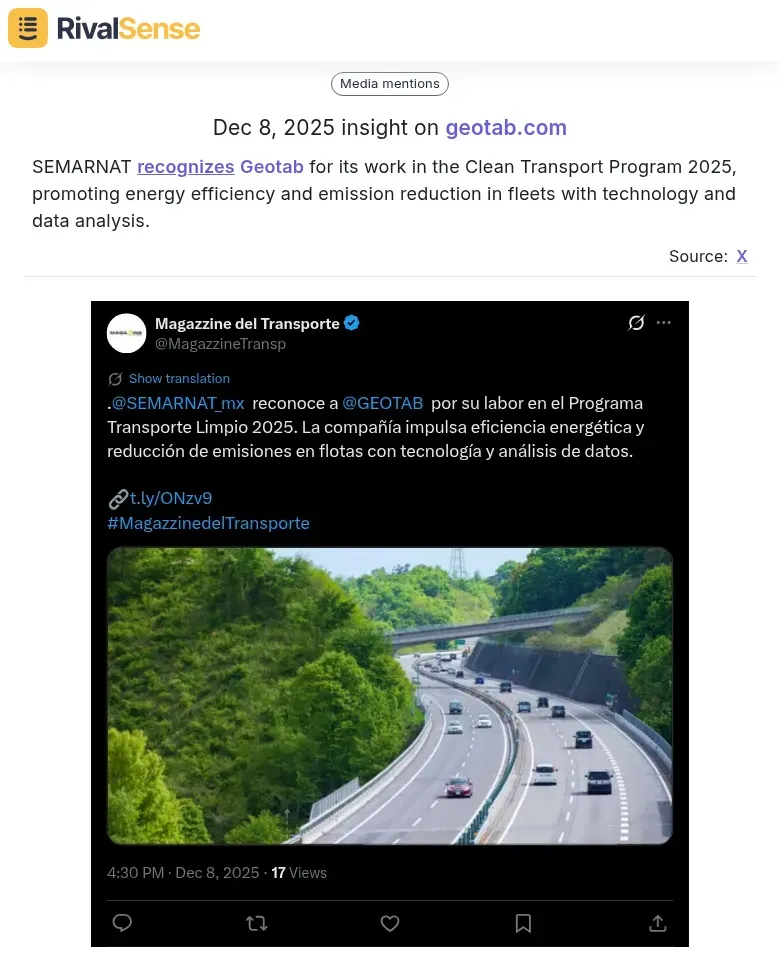
For instance, regulatory insights like SEMARNAT recognizing Geotab for its work in the Clean Transport Program 2025 highlight how competitors are aligning with environmental initiatives. This type of insight is valuable for understanding competitive positioning and identifying opportunities for your own regulatory compliance and sustainability efforts.
Product integration updates, such as Supliful adding integrations for ClickFunnels and TikTok Shop, demonstrate how competitors are expanding their ecosystem. Tracking these changes helps you stay updated on competitor offerings and assess potential gaps in your own CRM integrations or partnership strategies.
Feature launches, like Lasta Fasting launching Bed Pilates exercises in its app, show how competitors innovate to enhance user engagement. This insight is valuable for benchmarking your own feature development and understanding customer acquisition strategies in related markets.

Conclusion: Stay Ahead with Proactive Competitor Tracking
Avoiding CRM mistakes in aviation fuel construction requires a combination of internal best practices and external market intelligence. By customizing your CRM for aviation-specific needs, ensuring robust integrations, and leveraging competitor insights, you can enhance key account tracking and drive project success.
To systematically track competitor movements like regulatory recognitions, product updates, and feature launches, consider using a tool like RivalSense. It delivers weekly reports on competitor activities across websites, social media, and registries, helping you stay informed without manual effort.
Ready to gain a competitive edge? Try RivalSense for free at https://rivalsense.co/ and get your first competitor report today to start transforming insights into action.
📚 Read more
👉 How Wialon's Platform Launch Enabled Competitors to Accelerate Innovation
👉 LinkedIn Competitor Insights: Track Key Account Satisfaction with Real-World Examples
👉 Predictive Workforce Analytics: How to Forecast Key Account Feedback Trends for B2B Success
👉 From Headlines to Strategy: How to Decode Competitor Moves Through Media Mentions